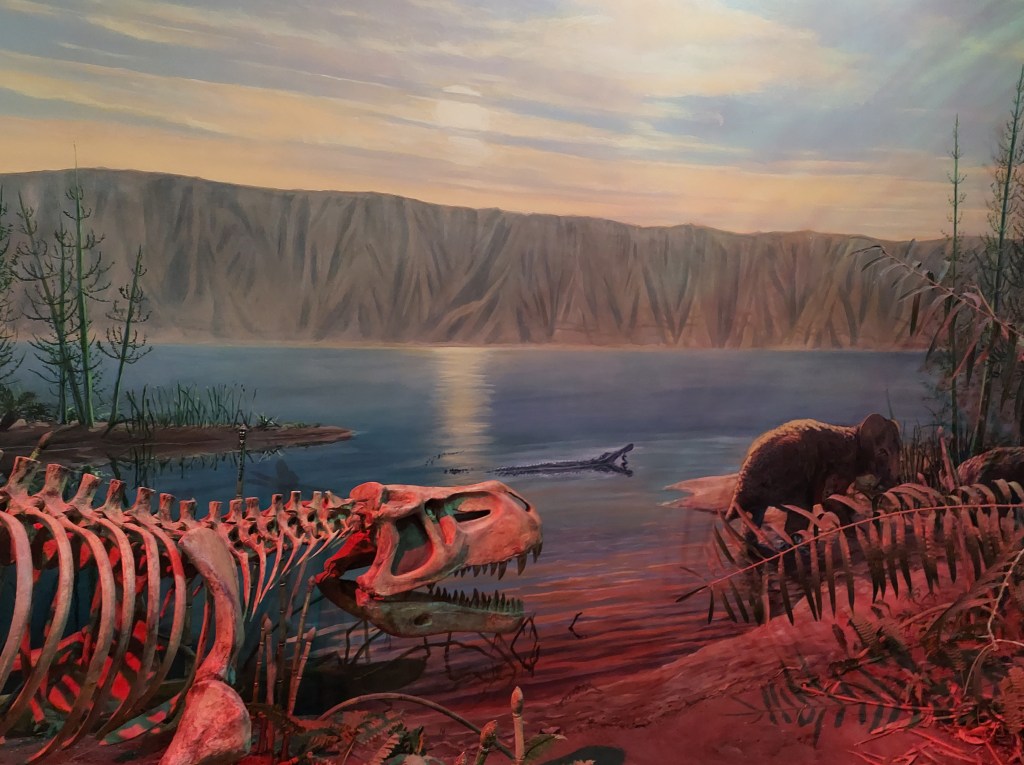
The shallow water of the lakeshore laps quietly in the darkness, as the sky begins to light. I’ve been flying, there ain’t no denying. My little wings flap quietly amid ferns that grow so high. I rest under a leaf and admire this beautiful scene. A new sliding sound comes from the shore, but I’m not ready to leave. Suddenly, a long-necked reptile opens its mouth and eats me, tearing off one of my wings. I have become a tasty treat for Tanytrachelos.

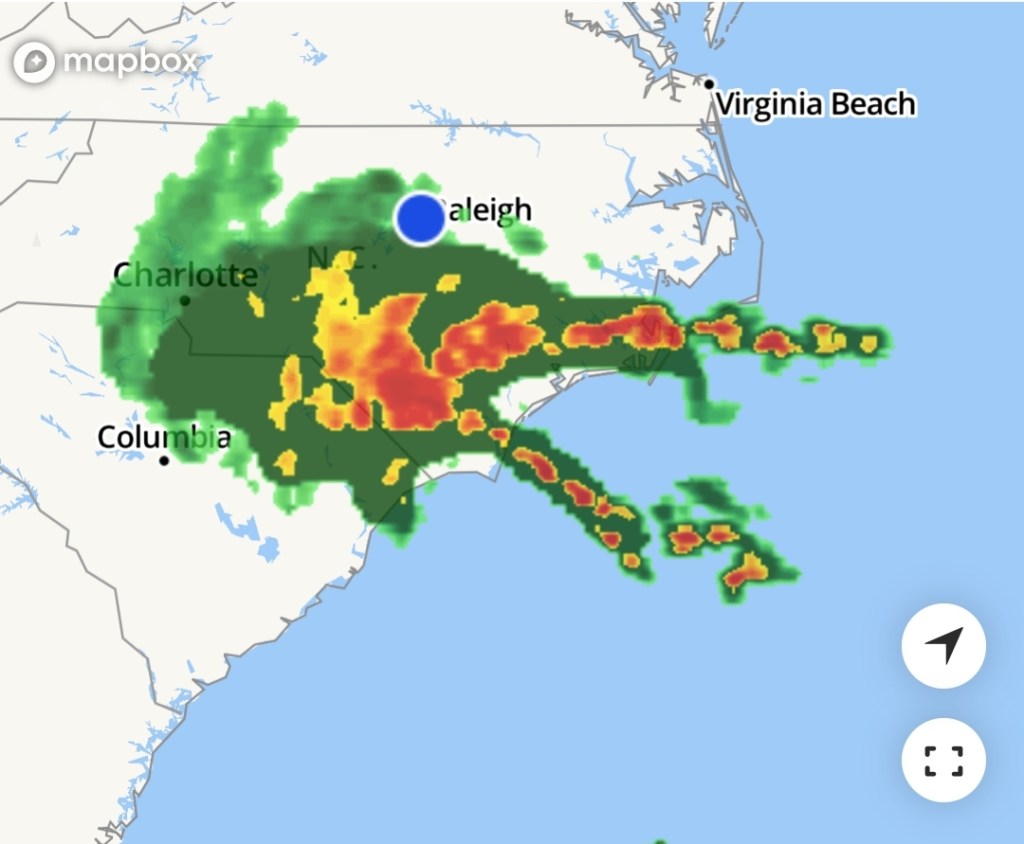
As a subtropical storm, shaped like a Rutiodon on weather radar, lunges at the Atlantic coast, I wake from this dream, relishing my Bugfest experience the past Saturday at the North Carolina Musem of Natural Science and my ongoing explorations of the local Triassic basins.
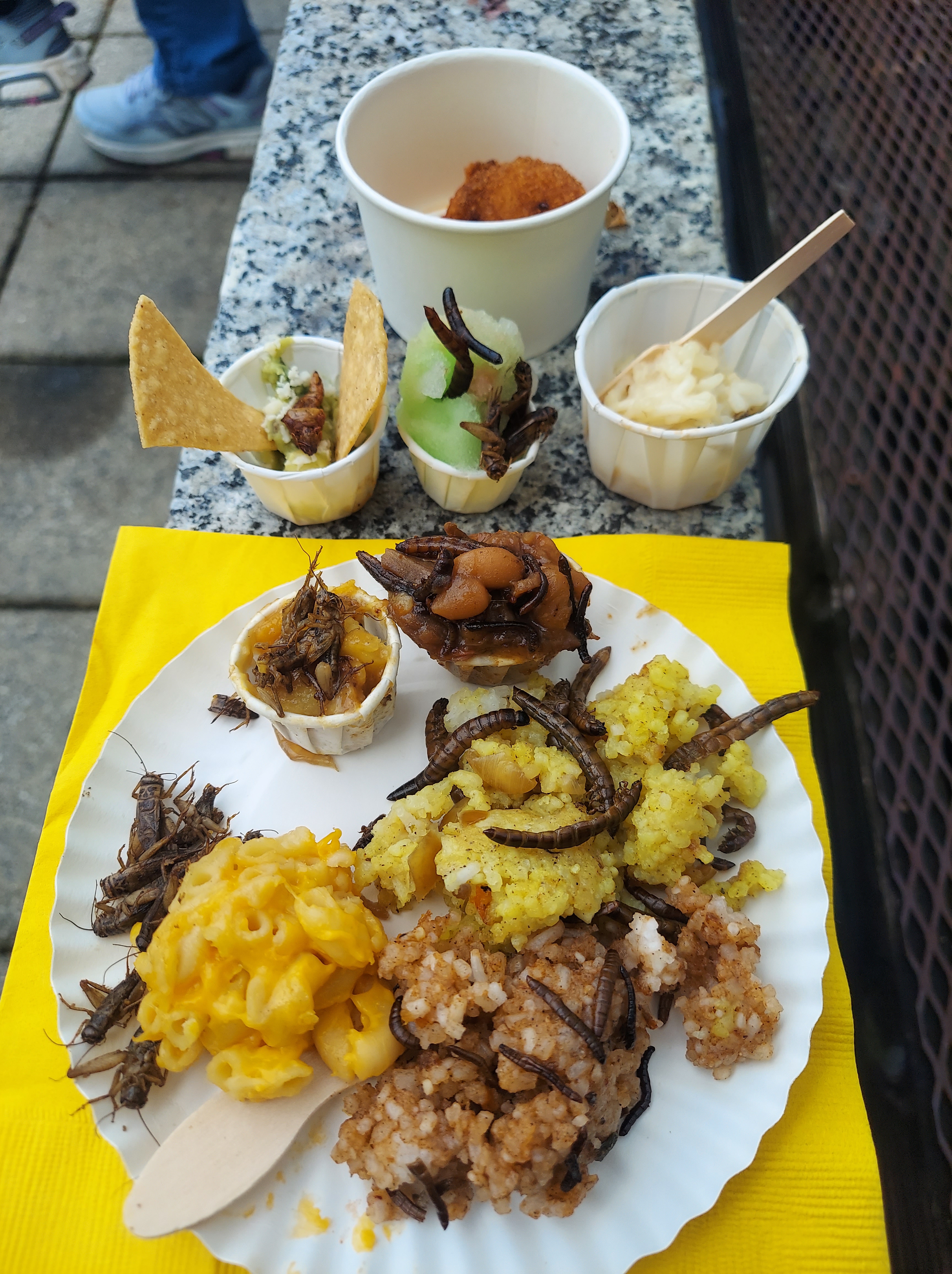
Bugfest happens one day a year; this year is the first I have been able to attend. The museum, where I worked for 3 months in 2000, is filled with exhibits, activities, humans and insects on all floors; event booths spread across the plaza and onto adjacent streets. The line for Café Insecta curves around corners as a hundred or more hungry humans wait to sample insect foods prepared by local restaurants. Lowly worm may be hiding, but I stand lowly in the wormlike line.
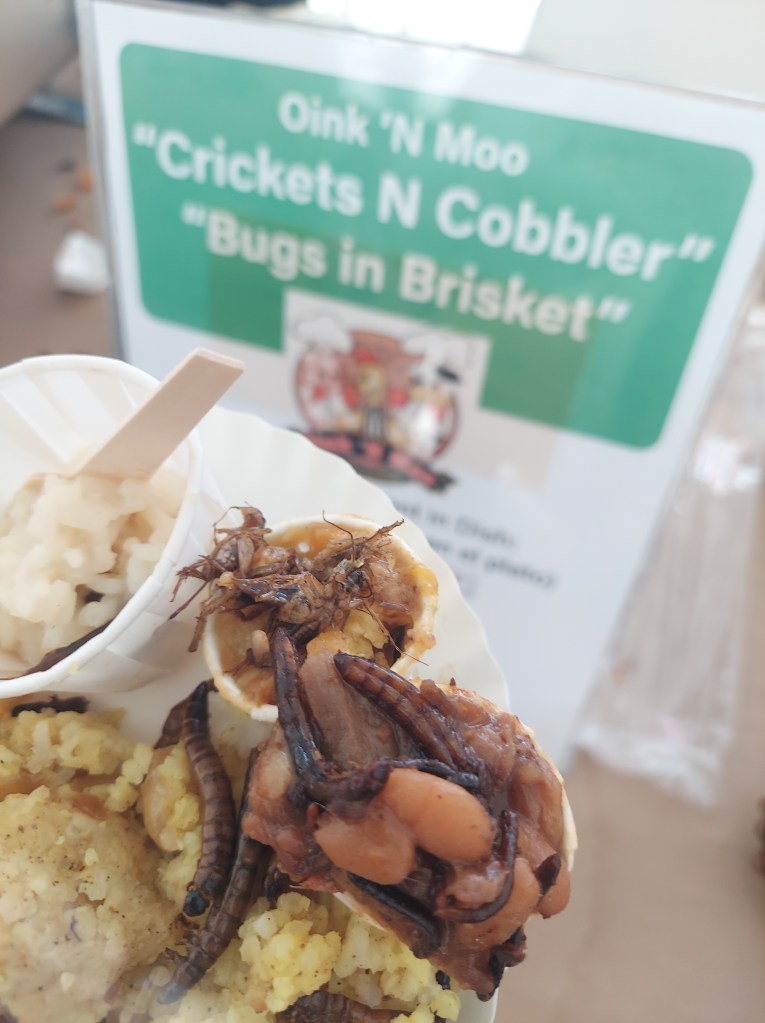
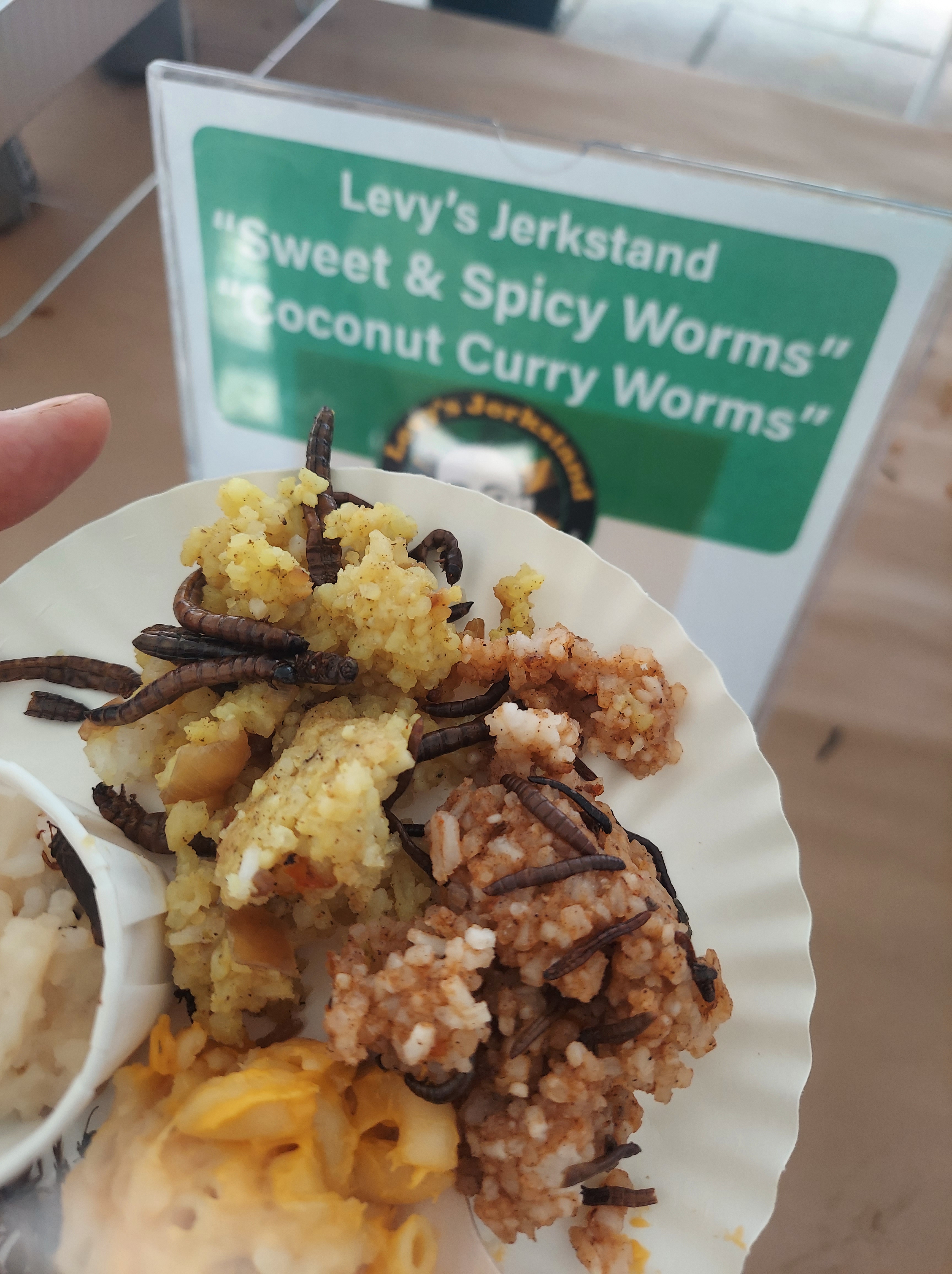
Seasoned, toasty crickets taste good in the peach cobbler, guacamole, and macaroni & cheese. Mealworms are cooked and served in coconut curry rice, baked beans, arancini fritters, and helados (tropical ices).

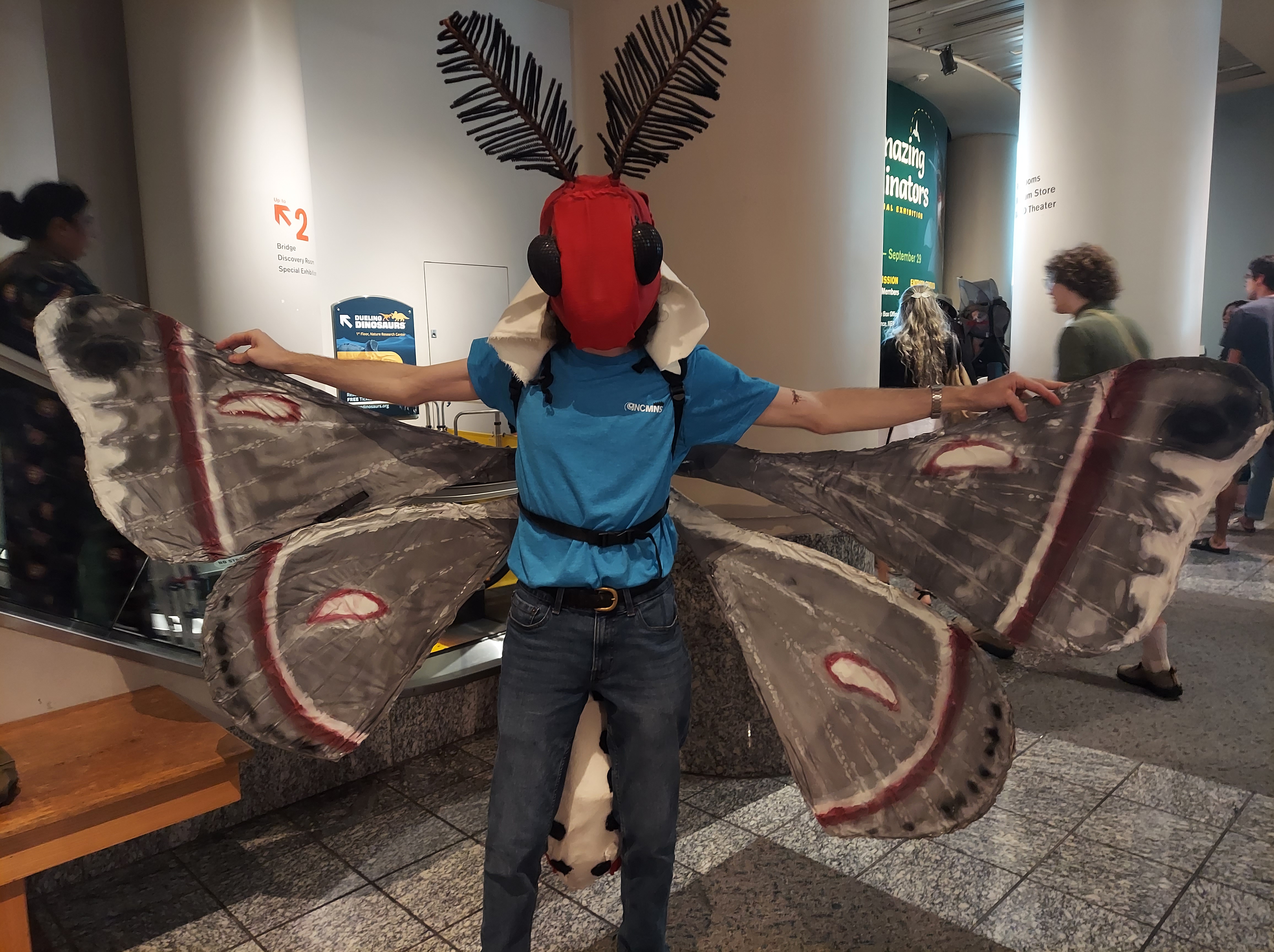
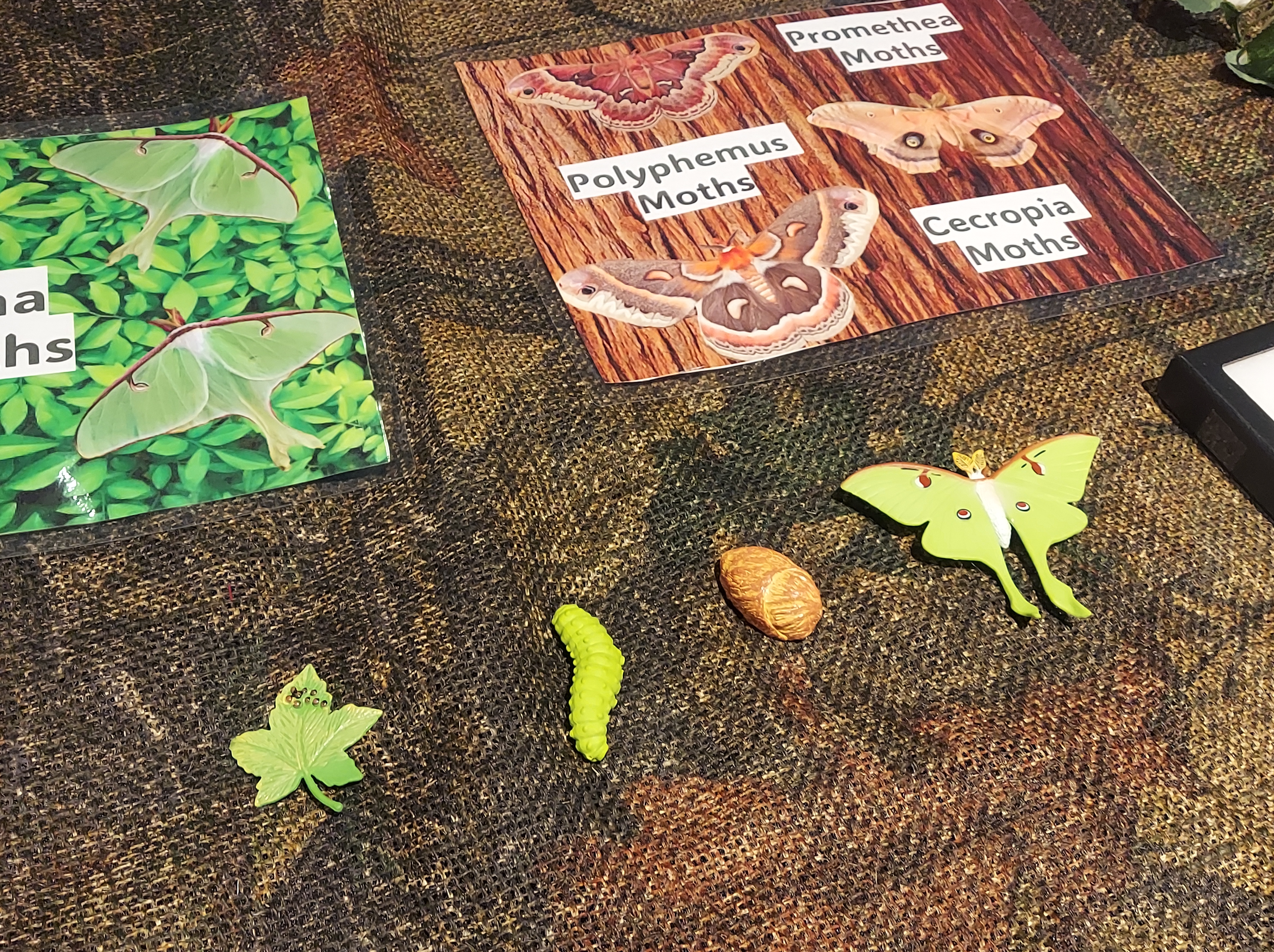
Inside the museum, I encounter a table of moths. At the table, Nathan displays his amazing Cecropia moth costume, which he made as a final project for entomology class. The lovely Luna moth, one of my favorites, is also represented here.

“When Mama was moth,
-Elizabeth Fraser (Cocteau Twins), “When Mama Was Moth” (1983)
I took bulb form”
In one room, we interact with termites; we draw shapes on paper and watch the group of these tiny insects move along the lines across the paper. They are blind, it is explained, but they are able to find their path as they loop around.
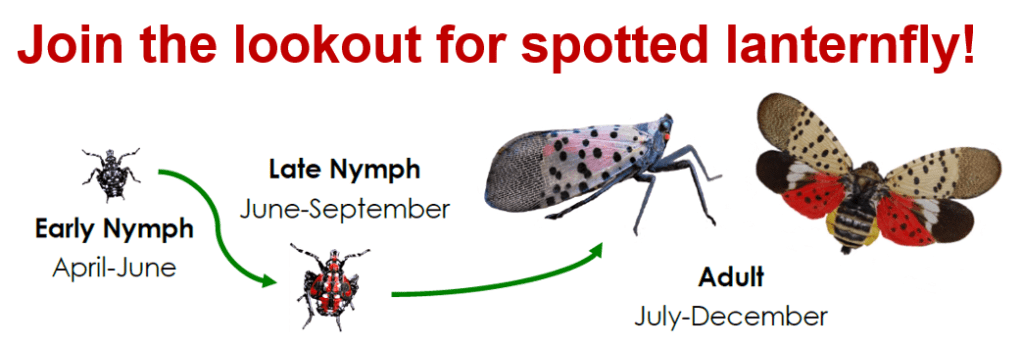
Racing roaches, ants, and beetles attract lines of humans on the plaza; arachnids like spiders and scorpions from Santa Fe charm a crowd inside on the first floor. A group educates attendees on “rude” invasive spotted lanternflies and the damage they cause, giving us swatters and informative sticky paper.
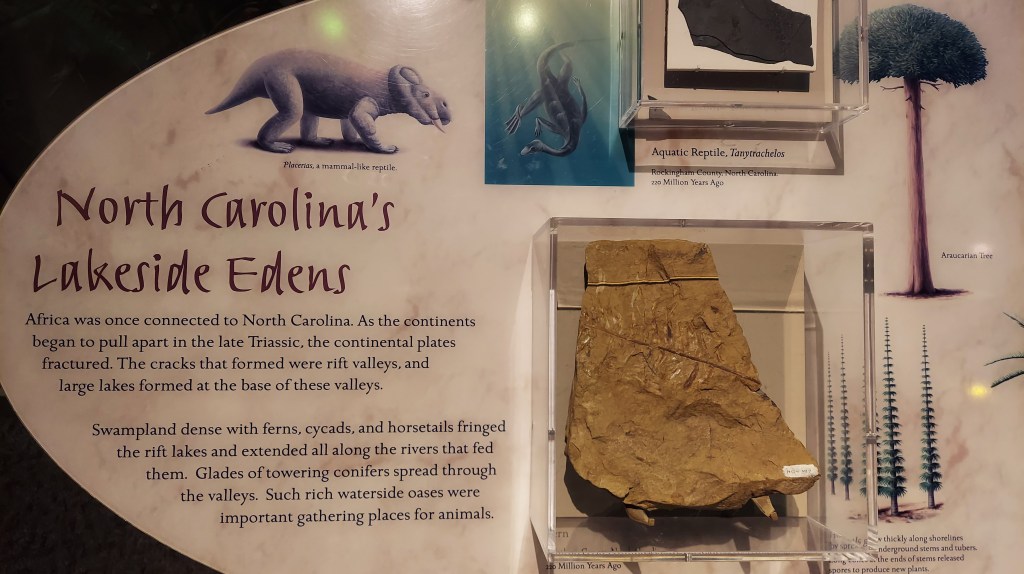
While wandering the 3rd floor of the museum, I enter the permanent “Ancient Fossils, New Discoveries” exhibit and, within this, their Triassic display. A painted rift lake scene from this era includes fossils uncovered in the shale of the Dan River and Deep River basins and recreations of these plants and animals. Ferns, insects, and reptiles Tanytrachelos and Rutiodon are all represented here.
By late afternoon, I’ve been standing on two legs for too long. I wish I had been able to flutter with the butterflies – though a yellow-winged lepidopteran landed next to me during my insect-rich lunch – and see (tweedle) beetles battle. It has been sweet to see so many kids and adults excited to learn about insects, arachnids, and local ecosystems. Thanks to the Museum of Natural Science and to the volunteers for making BugFest happen!
Here is the museum’s website. Links to BugFest, special and permanent exhibits are within.
About the rude, invasive Spotted Lanternfly; thanks to NC State University extension and the NC Dept of Agriculture. https://content.ces.ncsu.edu/spotted-lanternfly
And special thanks to my Cicada friends… I couldn’t do this without you.
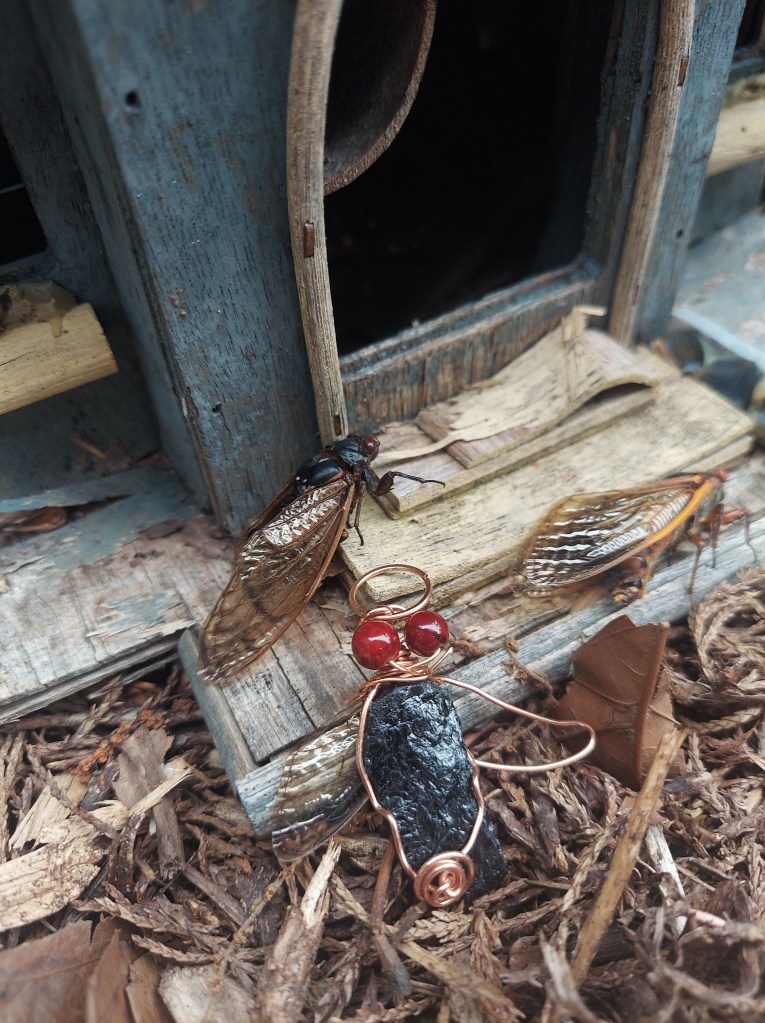
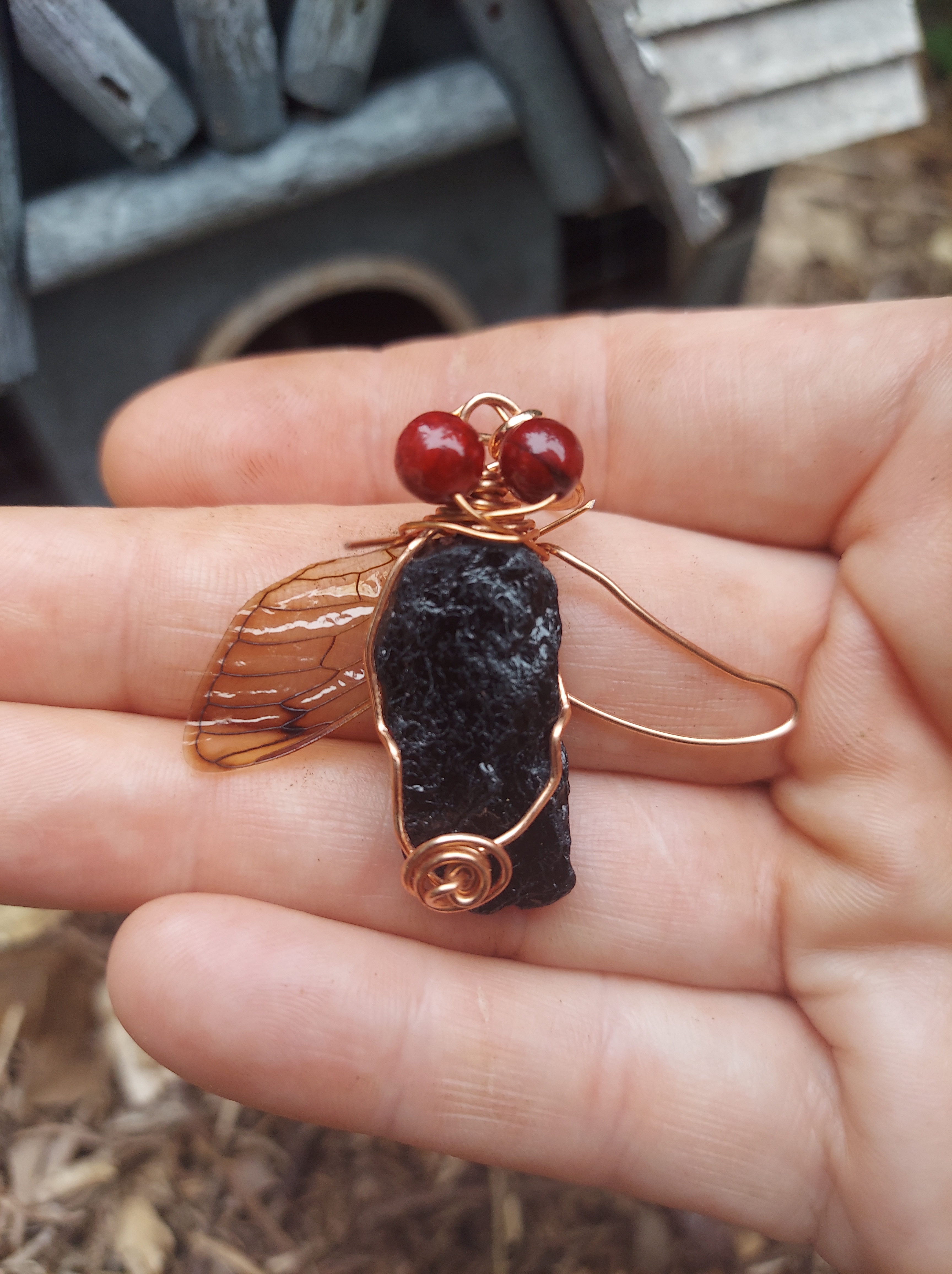
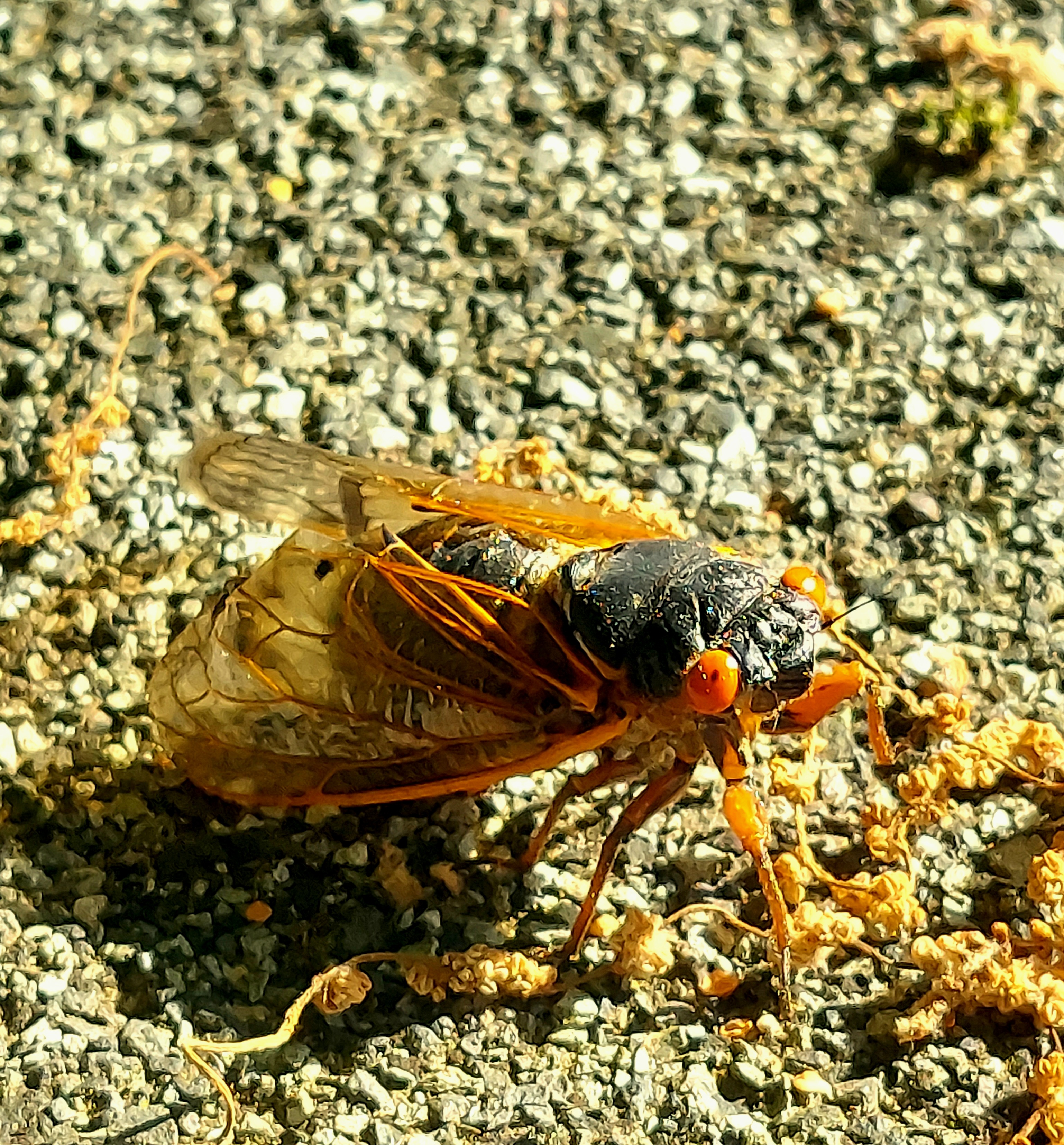
As I write this, the storm has caused major flooding near the coast and potential flooding inland, too. May the waters recede in the populated places and may all find safety. May we find new hope in visions of a swampy rift basin, but this time in reptile form.
–Arianna, September, 2024, Raleigh, NC

 arianna's creative travels
One thought on “BugFest / Triassic Echoes”