August 17, 2015
Arriving in the port of Yurimaguas after three days on a dreamy lancha boat filled with bored men, I am ready to bathe in a cool pool in the deep forest. First, however, it’s two or three hours in a crowded combi across the Cordillera Escalara, the last mountain range before the rivers drop into the flat low jungle.In its heights we are stopped at a roadblock landslide repair, a typical jungle mountain scene, and there is a chute of falling water on the hillside. The driver gets out and bathes and drinks from the chute and urges me to do the same. It’s fresh and cool and doesn’t make me sick, but what beautiful hills to get lost in.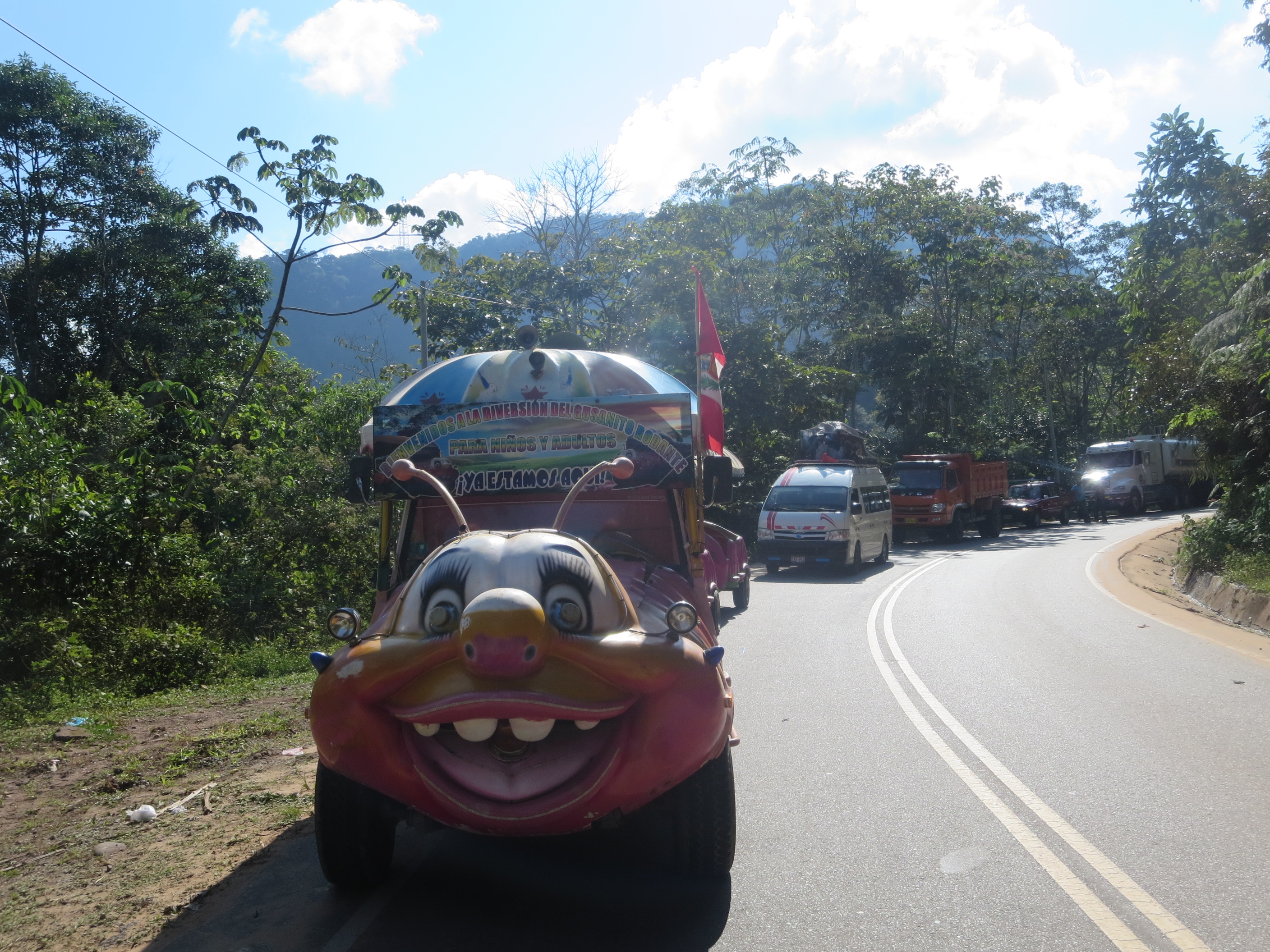
Down in Tarapoto, it is hot again, and the discount hostels hold in the warm air all night. At least here it’s possible to sleep for S/12 three blocks from the main plaza and one block from the mercado. The college and market town bustles, but nature is not far. Follow the painted map from the plaza uphill and then down the dirt trail to the Rio Shilcayo, the eastern of two small rivers that flow through. Then, just past the world-known Takiwasi healing center on the right, is the perfect little bathing spot.
Swimming in the cool, swift clear water on smooth rocks, I feel a euphoria that is like good sex. Black vultures sift in the trash nearby, fluttering wings as my heart flutters. I am drawn to this spot in a way that is difficult to describe more. Clouds form over the mountains above and the rain pours off and on.
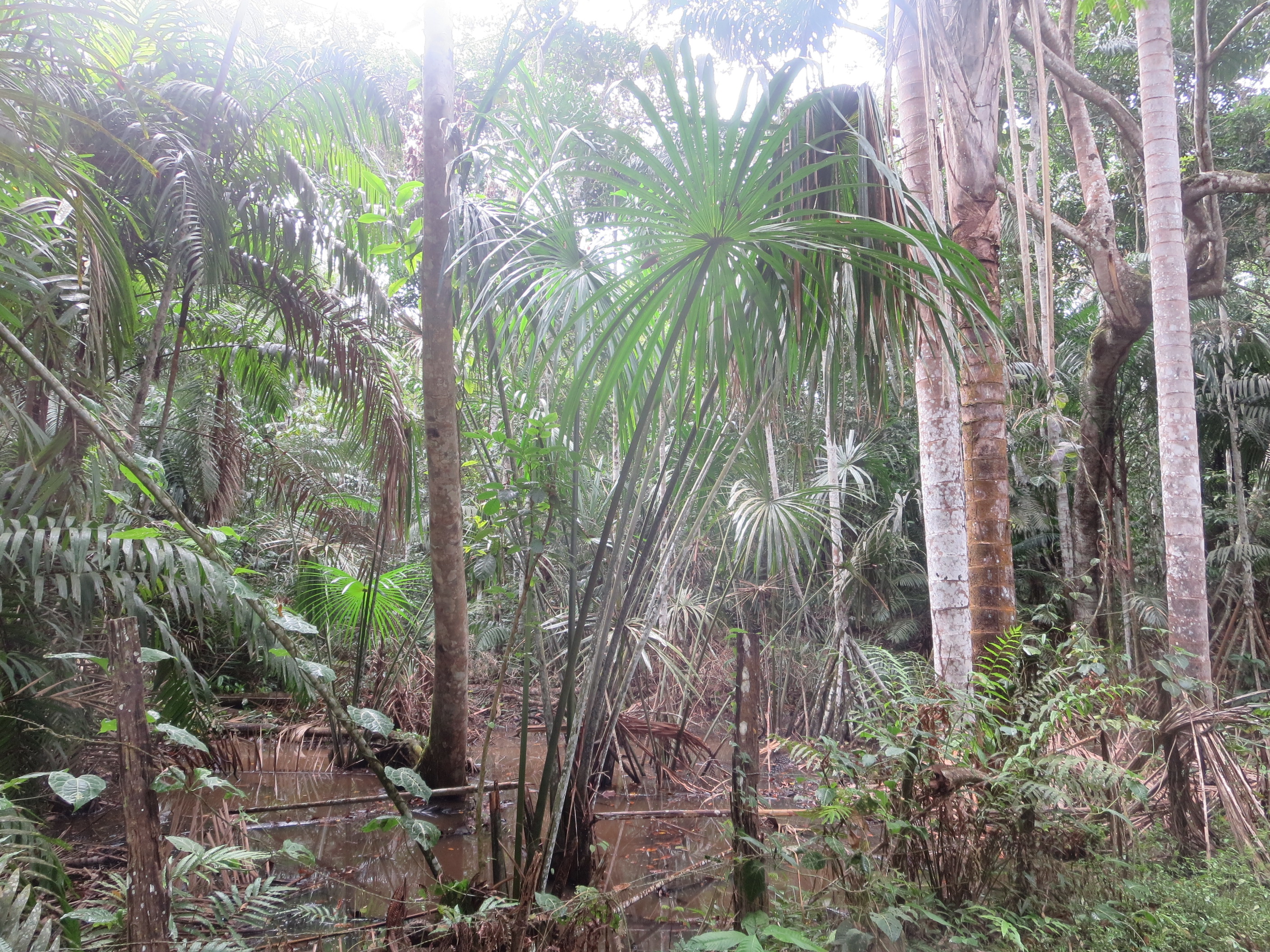
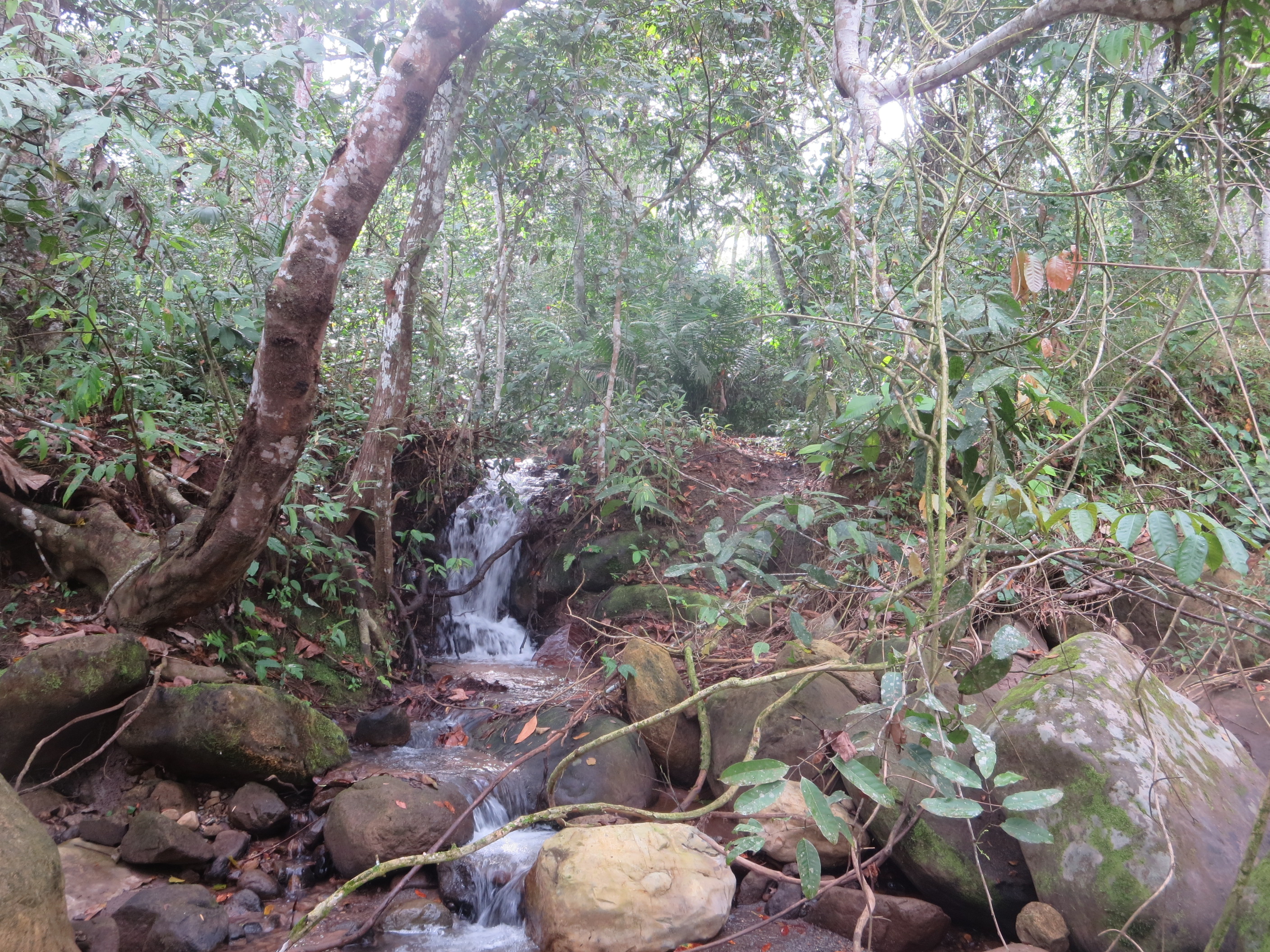
The dirt road follows the river up, all the way to the Escalara nature reserve, passing lodges, thicker forest, hilly farm, swampy bog, and small cascades among big rocks. Mototaxis zoom by, a 15-minute ride, but it’s more fun to run and hide among the shadows as night approaches.
The night I arrive in Tarapoto, Afro-Peruano music legend Eva Ayllon is performing as part of the city’s August fiesta. After visiting the Afro-Peruano community in El Carmen, I was excited to experience her music live, and it is definitely worth standing in the pouring rain. She opened her set with the familiar and catchy “Le Dije a Papa.”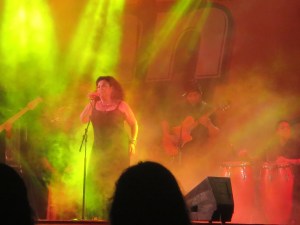
 The low steep cordillera gives the area many waterfalls, and I visit the one most accessible from Tarapoto, the Cataractas de Ahuashi-yacu. On some travel sites online I had read that this place is crowded and touristy, but it didn’t feel that way on a weekday morning. It’s a lot cooler here than in town and I shared the combi with a friendly Peruvian family from Lima and New York City. It’s more euphoria to swim under the falling water and then to walk into it from behind…a dance with a playful partner.

The main plaza of Tarapoto is basic and only slightly shady, but the mountain views are nice and not blocked by an imposing church like in many towns here. I didn’t realize there even was a church here until one morning when I walked by hearing the chorus inside sing “El Condor Pasa.”
A 30 minute combi ride to the west of Tarapoto takes you to Lamas, a small hillside town with a medieval castle and an indigenous Wayku Kechwa community.
The castle is an anomaly in place and time, and I don’t get to fully understand its story. So European, but not directly colonial. Inside is some beautiful ‘renaissance-style’ art by Peruvian artists and the coats of arms for all the regions of Peru, and outside is a pool and fountain with a friendly dragon’s head.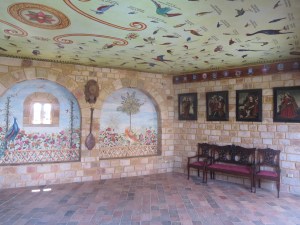


Just a few blocks downhill from the castillo is Barrio Kechwa Wayku, inhabited by a Quechua native community from Ayacucho in the southern Andes who migrated here in the 1400’s to flee the Inka. The plaza of Wayku is large and functions for music and dance, games, and artesania. It’s peaceful here, and the locals are friendly. Some of the women are in the traditional clothing, white blouses with bright colored ribbon hairpieces and scarves. This is a highland culture that has adapted to the tropical environment, and it seems to flourish here. Each Sunday afternoon, the community dances in the plaza, for themselves as much as for the tourists. After they begin I walk over to see if photos are permitted and they bring me in to dance! I dance with them on three songs including with seed rattles, and in the humid breeze it feels so good. By the time I leave, maybe 30 non community members surround the plaza, watching, and I say goodbye to all the dancers individually.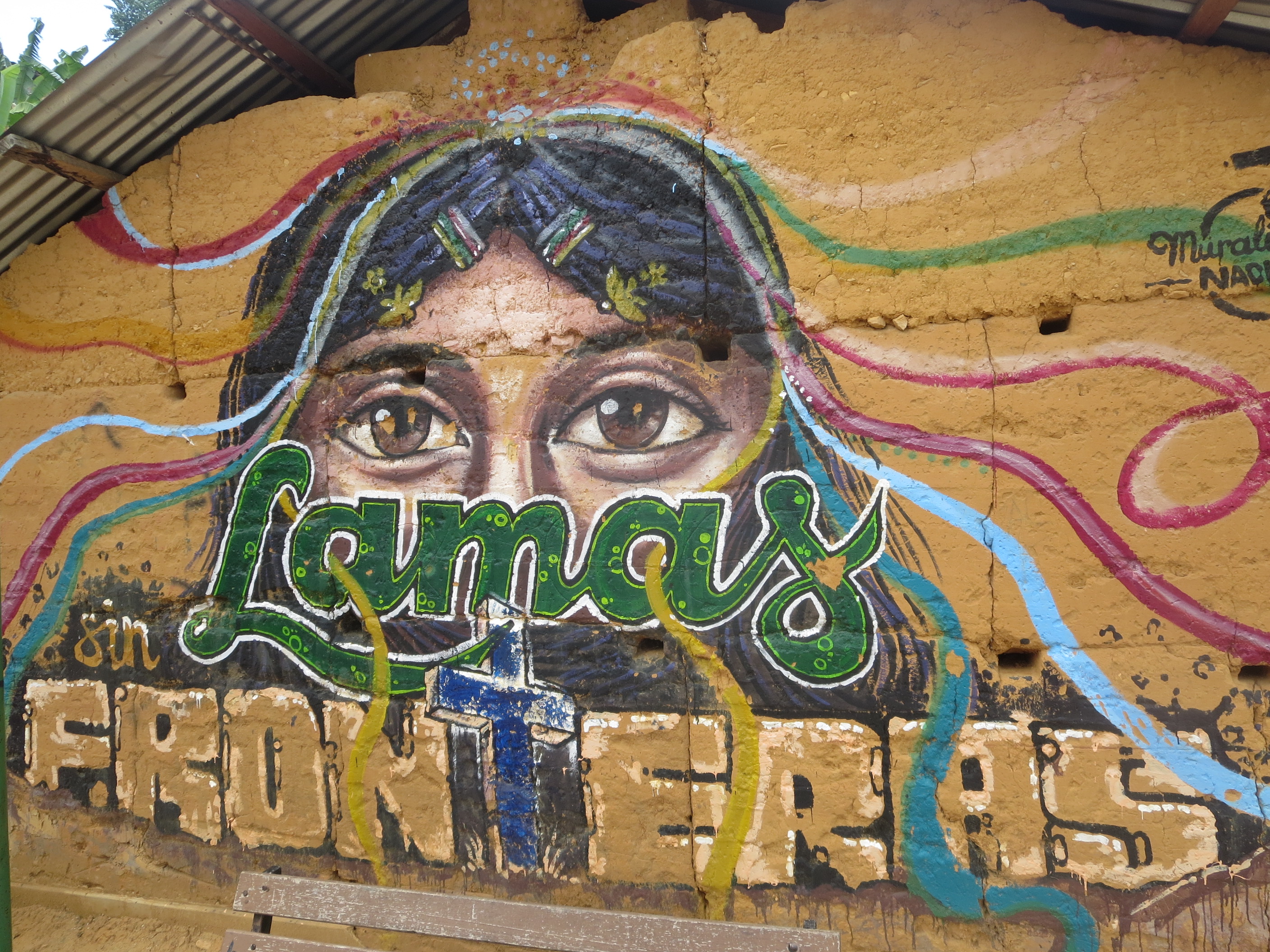


Further west into the yungas and through mountains is Moyobamba, the capital of San Martin and a typical, non-touristy town. This area is known for its native orchids.
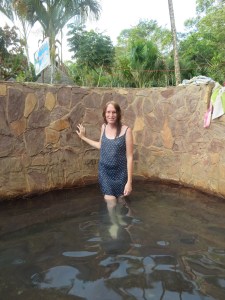
Near here are the Banos Termales de San Mateo, a large hot spring with several pools, hot and cold, and a stream running through. It is so worth a visit and the cost is only S/1.50!
 Foodtrack:
juane – rice with chicken pressed and wrapped in a leaf, representing the head of Biblical John the Baptist as it is served on a platter. A typical, cheap food you can eat almost anywhere, anytime. Does this mean we are like Salome when we eat it?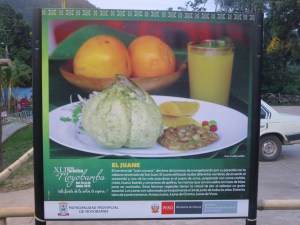 Music soundtrack:
Eva Ayllon
“Le Dije a Papa”
This was an amazing week in San Martin region and if you travel in the north of Peru, I highly recommend you spend some time here!
Arianna

 arianna's creative travels
