Puno, Peru
June 20, 2015
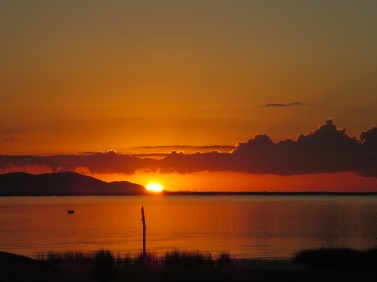
Dawn on Lake Titicaca, the highest navigable lake on Earth, on the solstice, is a magical point in space and time. The bus terminal at Puno, Peru’s city on the lake, seems set for a perfect sunrise view with the port in front and the hills on each side.
However, this is ______ ft/m above sea level, and with the woosh of cold air, my body was not ready for the intense change from Arequipa’s warm sun bath, and so I fell sick quickly.
By this time, I had already paid for a tour of the Uros floating islands, and so I went on ahead, thinking I would feel better, which didn’t happen.
Still, I learned a little about the lake and got to experience a unique Aymara culture that pre-dates the Quechua speaking peoples of the area.
The correct name of the lake is “Titi-kala” which in Aymara means “Puma-piedra (stone).”
If you look at the lake from a map with south pointing up, the lake appears as two lakes, with the bigger lake as a Puma catching a rabbit, the smaller lake. The human-made Uros islands are located in one of the Puma’s legs.
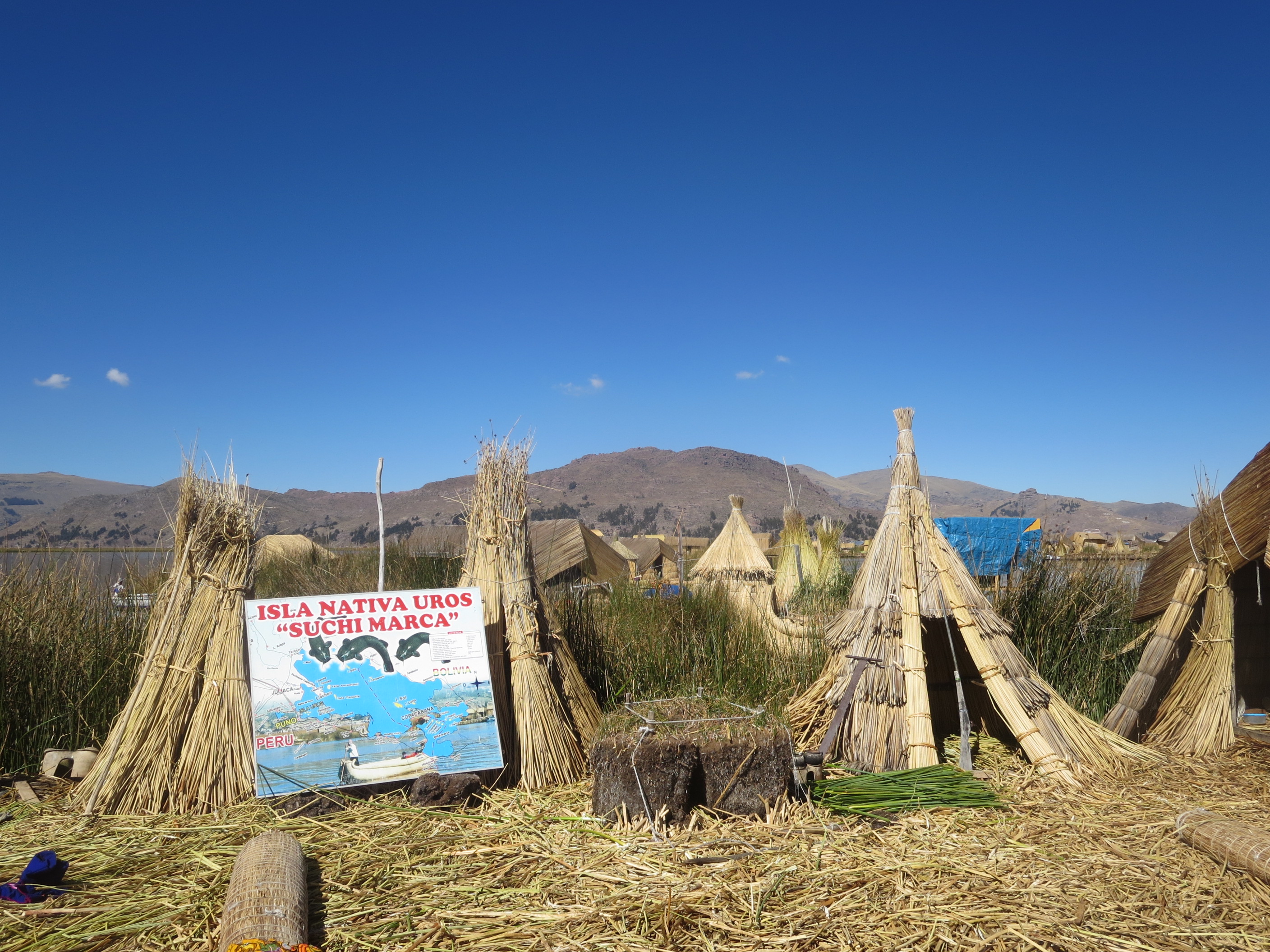
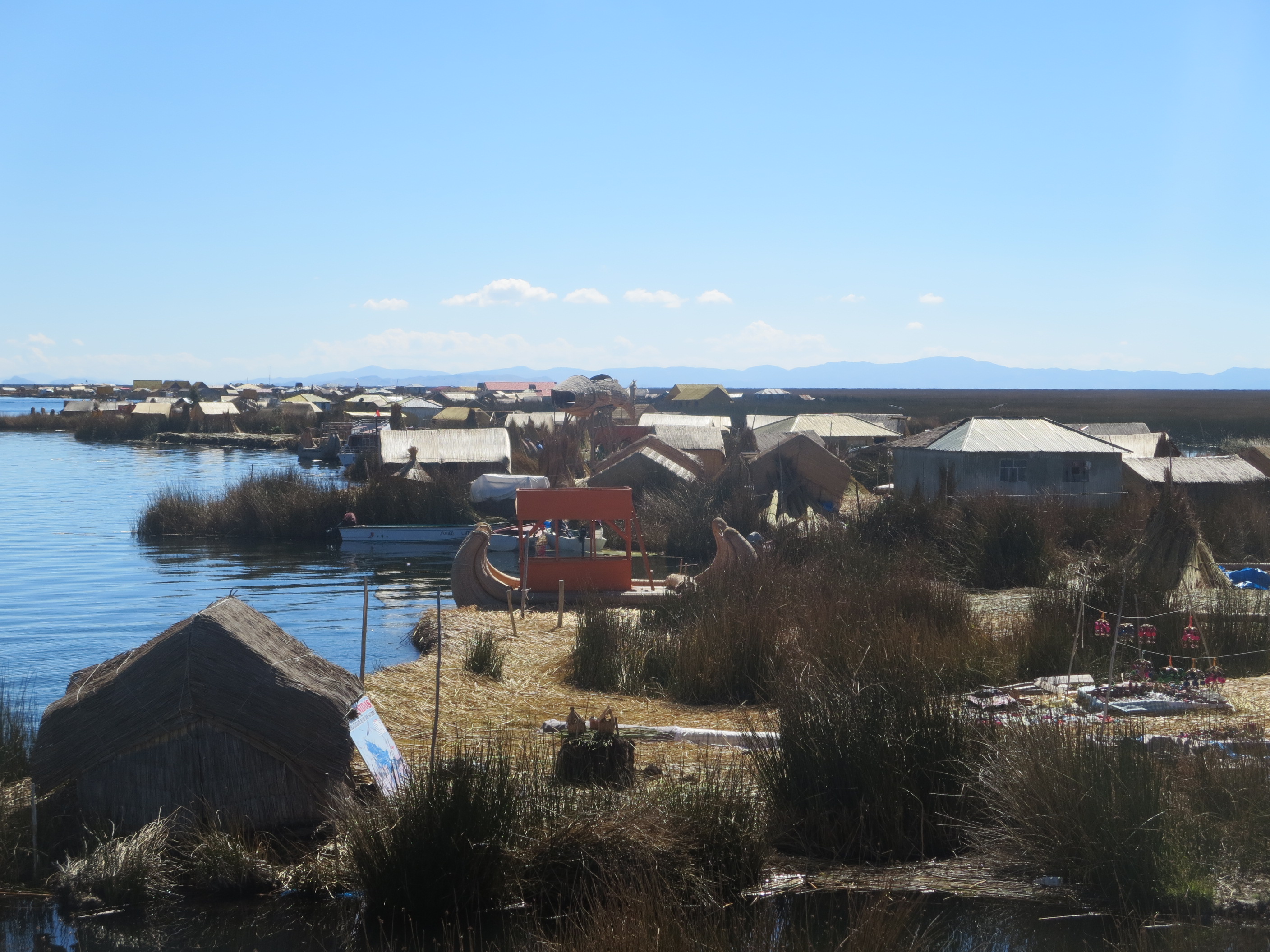
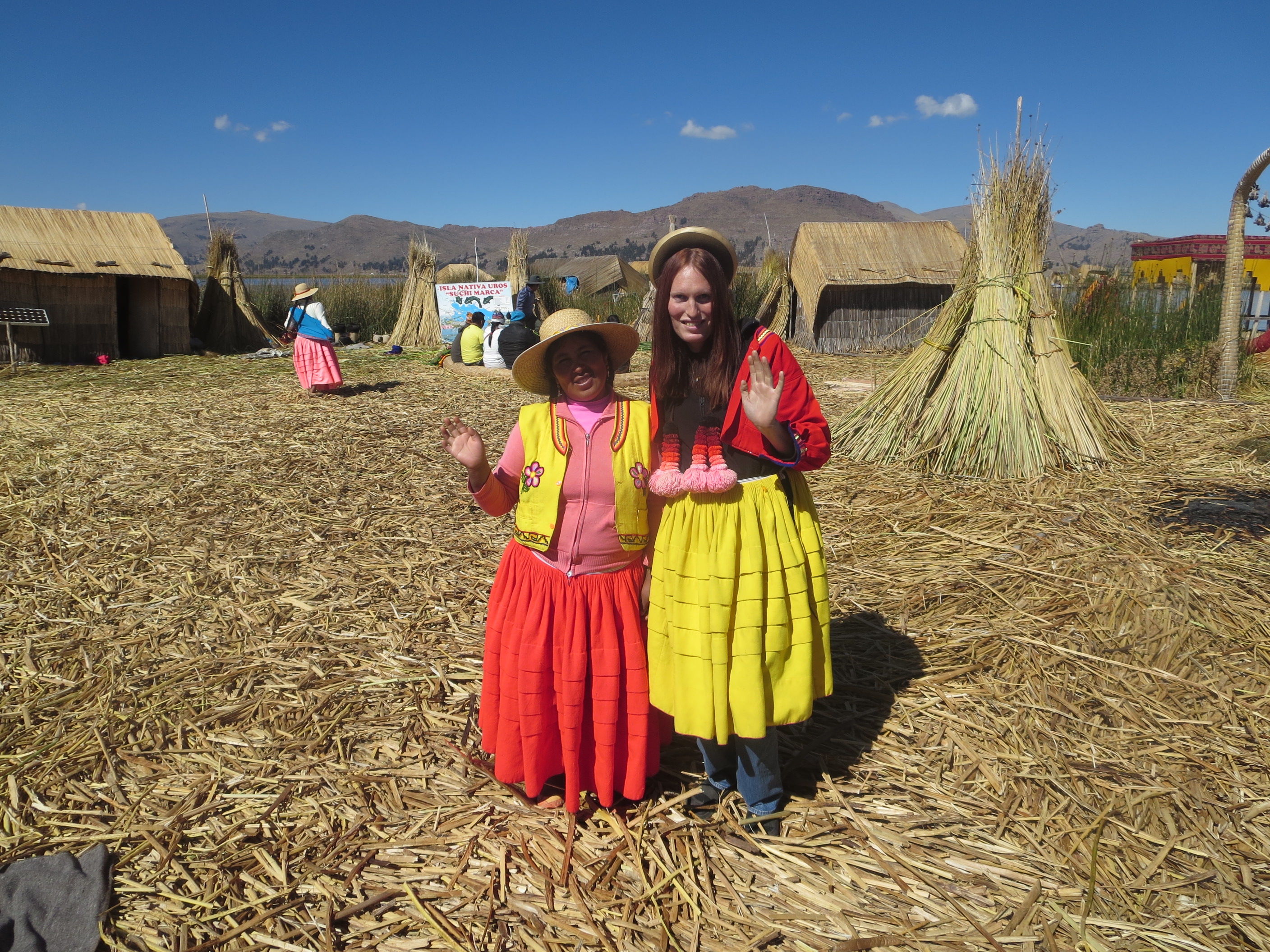
There are about 17 islands of Uros, each with 3-4 families and a president. The islands are made of totoro reeds, the same as the boats at Huanchaco. The totoro reeds sustain the lives of the Uros families, and can also be cooked and eaten. We visited the island of Suchi Marca, named after a type of fish, and our group’s hostess, Elba, dressed us in the traditional Aymara clothing.
The hostel I stayed at is Virgin de Nieves, on Av. de Puerto at Bolivar, 3 blocks north of the main bus terminal. It cost S/20 for a room including a bathroom with hot shower, and the bed holds many blankets.
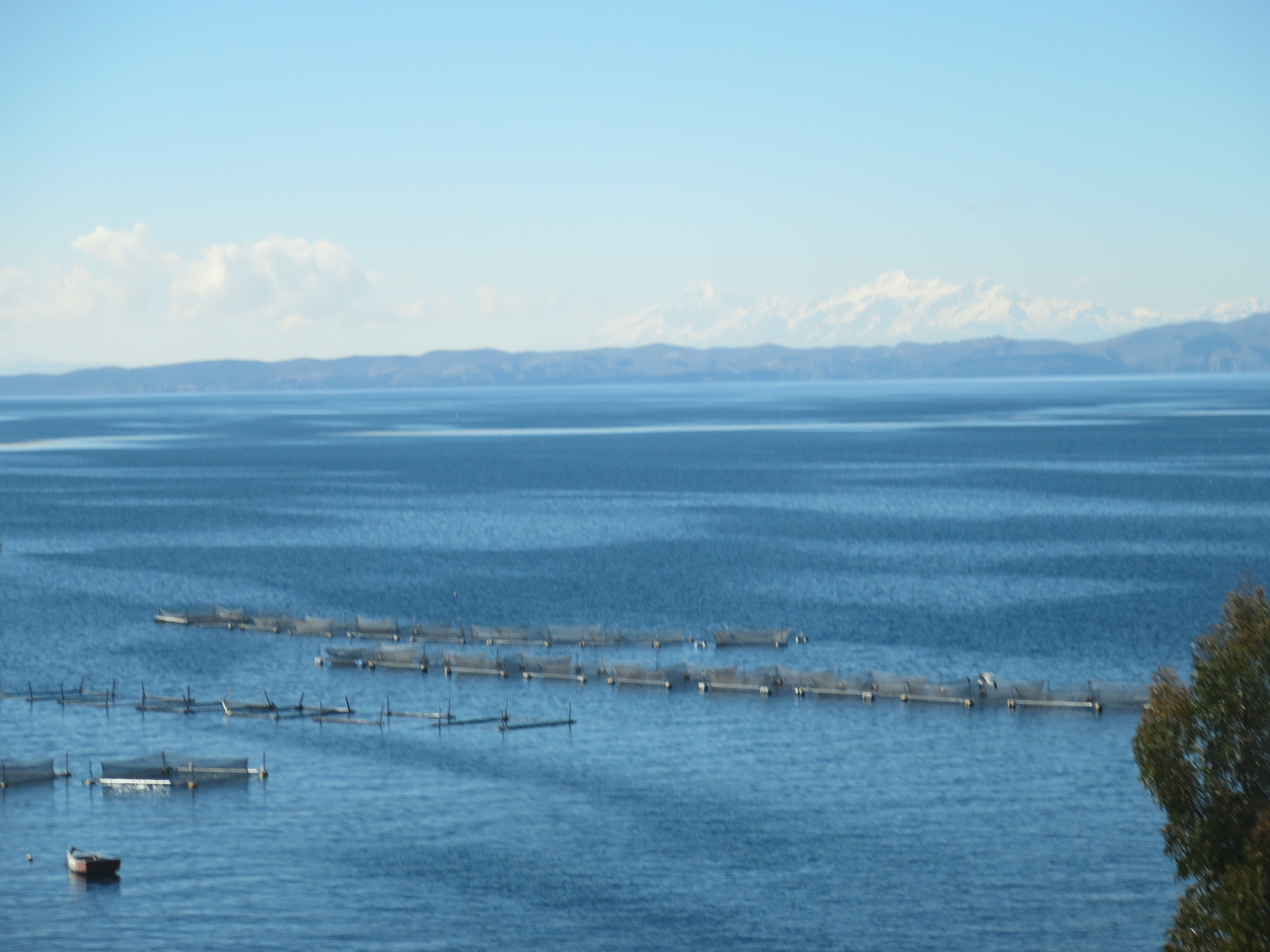
The next day, I took a combi from the smaller bus terminal to Desaguadero, the land border crossing into Bolivia. That ride is about 2 hours, and follows the coastline of the lake through chacras (farmland) of Quinoa and catchers of trucha (trout) in the lake.


 arianna's creative travels